What Is DGLD? A Guide to Tokenised Swiss Gold
DGLD - Key Takeaways
- DGLD is a crypto-asset issued by Gold Token SA (GTSA), the tokenisation arm of the Swiss precious-metals group MKS PAMP .
- Each DGLD token is digital evidence of a co-ownership right in one fine troy ounce of allocated, LBMA-certified gold, vaulted and insured in Switzerland.
- The gold is allocated bar by bar, and the issuer publishes inventory reports, so it's verifiable.
- DGLD carries no storage or management fee while you hold it. Fees apply on creation and physical delivery, as set out in the white paper.
- Holders can request physical delivery of gold from 1 gram, subject to checks and fees.
DGLD isn't a stablecoin. Its price can differ from the gold spot price, and like any crypto-asset it can lose value.
Introduction
Gold has been a store of value for thousands of years. Holding it, though, has always come with trade-offs. A bar in a safe at home is yours to keep and yours to protect. A gold fund is easy to buy, but you hold a fund share rather than the metal.
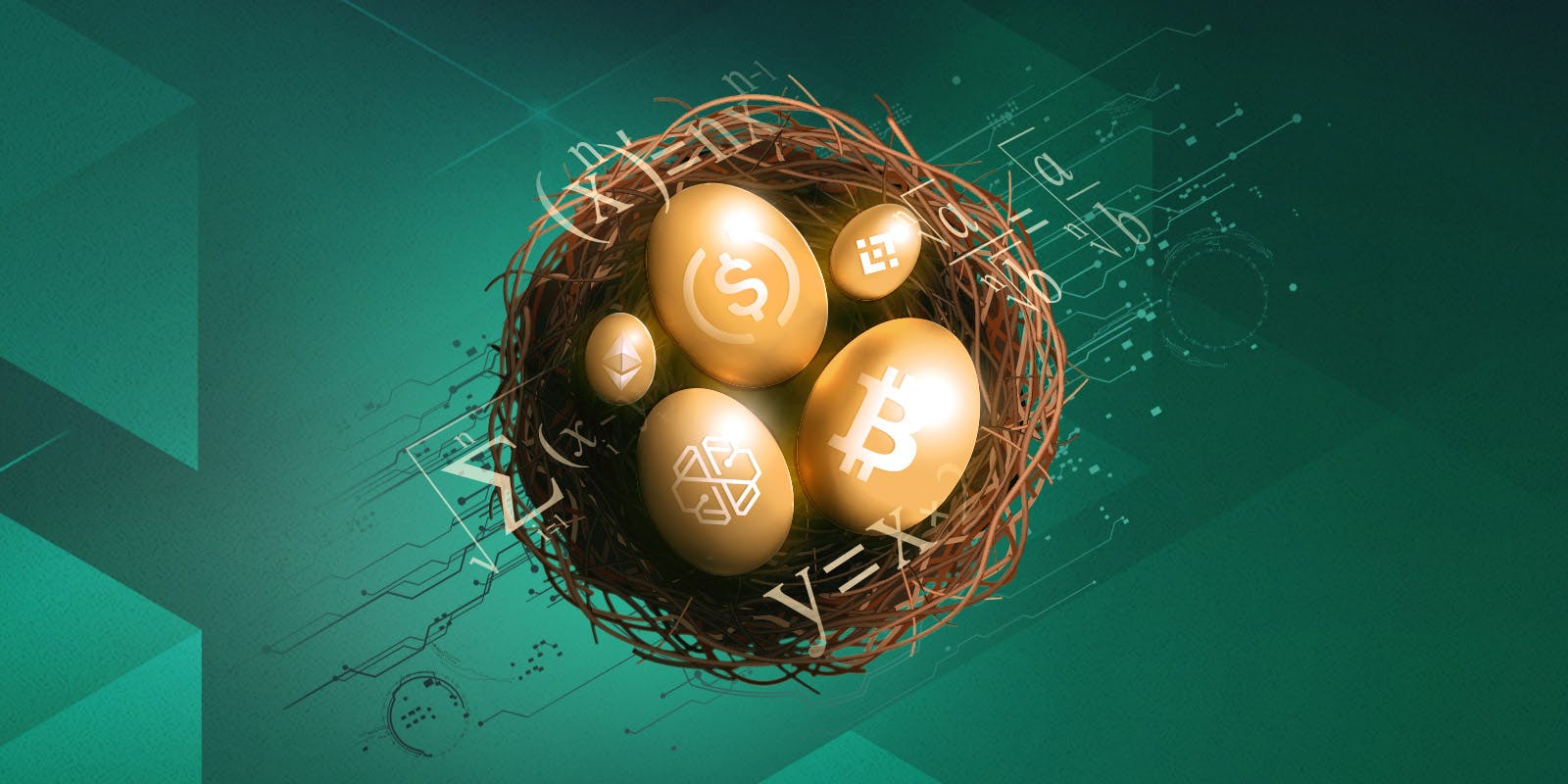
Tokenised gold tries to close that gap: real, physical gold, represented on a blockchain so it can move like a crypto-asset. DGLD is one example, issued in Switzerland by a company whose group refines and vaults the gold itself.
This guide explains what DGLD is, how the co-ownership structure works, what it costs, how physical delivery works, and the risks to understand before you hold it.
The information about DGLD in this article is based on the issuer's MiCAR white paper and dgld.ch .
What Is Tokenised Gold?
Tokenising an asset means recording rights to it as a token on a blockchain. The token can then be held in a digital wallet, transferred in seconds and divided into small fractions.
Gold suits this well. Bars of the same purity are interchangeable, gold is priced around the world every trading day, and its value can be split into very small units. Tokenised gold aims to combine the physical asset with the speed and divisibility of a blockchain.
Not every gold token is structured the same way. What sits behind the token, who holds it, and what rights you actually have can differ a lot. That's why the structure matters as much as the gold.

Who's Behind DGLD?

DGLD is issued by Gold Token SA (GTSA), based in Geneva and wholly owned by MKS PAMP since November 2025 .
MKS PAMP is a Swiss precious-metals group with 60 years of history. It's one of three LBMA and LPPM Good Delivery Referees worldwide, the refiners trusted to check the quality of other refiners' bars. Its PAMP refinery in Castel San Pietro, Switzerland, has produced Good Delivery gold since 1977.
The result is that the refinery, the vault and the issuer all sit within the same group.
GTSA is a member of VQF, a self-regulatory organisation supervised by FINMA under the Swiss anti-money-laundering regime.
A crypto-asset white paper for DGLD has been published and notified under the EU's Markets in Crypto-Assets Regulation (MiCAR). This type of white paper isn't approved by any authority.
The gold is held by MKS PAMP SA as custodian, in segregated, insured vaults in Castel San Pietro, Switzerland, under Swiss law. Segregated means the bars are kept apart from the custodian's own metal and from other clients' assets. GTSA publishes gold inventory reports and smart-contract audit reports on its audits page , so the gold behind DGLD is verifiable.
How DGLD Works On-Chain
According to the issuer, each chain where DGLD is issued natively has its own independently allocated gold. There's no bridged or wrapped supply, so a DGLD token on one chain doesn't depend on a bridge to another.
Only Authorised Participants, which are institutional and professional clients, can create (mint) new DGLD. They do this by providing LBMA-certified gold under a separate agreement with GTSA.
Everyone else acquires DGLD on the secondary market (for example on the SwissBorg application), from existing holders. Individuals can't tokenise gold they already own.
What Does DGLD Cost?
Holding DGLD carries no storage, custody or management fee. Fees apply at specific moments, as set out in the white paper :


Can You Take Physical Delivery?
According to the white paper, holders can request the gold in physical form, from 1 gram, as an incident of their co-ownership rather than as a claim against the issuer.
In outline, the process works like this:
- Hold your DGLD in self-custody, in a wallet you control. DGLD held on SwissBorg must first be withdrawn to your own wallet.
- Prove control of your tokens to GTSA
- Request delivery
- Complete GTSA's KYC, anti-money-laundering and sanctions checks.
- GTSA updates the registry and arranges delivery through an approved retail partner, to you or to a vault in your name in an approved jurisdiction.
Delivery fees set out in the white paper apply, plus third-party costs such as transport, insurance and customs, which are quoted before you confirm. GTSA may refuse or suspend delivery in the cases set out in the white paper. There's no minimum holding period.
How Does DGLD Compare With Other Ways to Hold Gold?
Each way of holding gold has its own strengths. Gold funds have a long track record and are familiar to most investors. Physical bullion puts the metal in your hands. DGLD combines the ease of use of the ETFs with the reassurance of physical ownership.


What Are the Risks?
DGLD is linked to physical gold, but it's still a crypto-asset, with crypto-asset risks:
- Price risk. DGLD isn't a stablecoin and isn't pegged to gold. It trades on its own market dynamics, so its price will typically differ from the gold spot price, and the difference can be significant. GTSA doesn't guarantee that DGLD's price will align with spot. Crypto-assets can lose their entire value.
- Liquidity risk. Liquidity is provided by third parties and can change, and GTSA has no obligation to provide it. You may not always be able to buy or sell at the price or size you want.
- Technology risk. Smart contracts and blockchains can have vulnerabilities, even after audits.
- Self-custody risk. If you hold DGLD in your own wallet and lose your private keys, your tokens can't be recovered.
- Regulatory risk. Rules for crypto-assets are still evolving and may change.
- No compensation scheme. DGLD isn't covered by EU investor compensation or deposit guarantee schemes.
The full list of risks is in the DGLD white paper .
Conclusion
DGLD puts physical gold on a blockchain. According to its white paper, each token evidences a co-ownership right in one fine troy ounce of allocated PAMP gold, vaulted in Switzerland and verifiable.
It moves like a crypto-asset, with no storage fee while you hold it, and you can request the metal itself from 1 gram. It's also a crypto-asset in its risks: its price can differ from spot, liquidity can change, and it can lose value.
If you're weighing it up, read the white paper and decide whether it fits your own goals.
How to Buy DGLD on SwissBorg

DGLD is supported in the SwissBorg app, so you can hold it alongside the rest of your crypto-asset portfolio. Getting started takes a few taps:
- Open the SwissBorg app and search for DGLD.
- Choose how much you'd like to buy.
- Review the details and confirm.
You can see DGLD's price and details on SwissBorg .
DGLD Frequently Asked Questions (FAQ)
Q: What is DGLD?
A: DGLD is a crypto-asset issued by Gold Token SA, part of MKS PAMP. Each token is digital evidence of a co-ownership right in one fine troy ounce of allocated, LBMA-certified PAMP gold, held in segregated, insured vaults in Switzerland.
Q: Who issues DGLD?
A: Gold Token SA (GTSA), a Geneva-based company wholly owned by the Swiss precious-metals group MKS PAMP.
Q: What do I hold when I hold DGLD?
A: According to the white paper, a co-ownership right in the gold. Each token evidences a co-ownership right in specific, allocated bars. GTSA administers the co-ownership.
Q: How much gold does one DGLD represent?
A: One token corresponds to a co-ownership right in one fine troy ounce of gold, about 31.1 grams. You can hold fractions of a token.
Q: Where is the gold stored?
A: In segregated, insured vaults in Castel San Pietro , Switzerland, with MKS PAMP SA as custodian.
Q: Is the gold behind DGLD verifiable?
A: Yes. The gold is allocated bar by bar, and GTSA publishes inventory reports and smart-contract audit reports at dgld.ch/audits . The Gold Mapper shows allocations by wallet address, so DGLD held on SwissBorg appears under SwissBorg’s wallet rather than your own.
Q: Is DGLD a stablecoin?
A: No. DGLD isn't pegged to gold. It trades on its own market dynamics, and its price may differ from the gold spot price.
Q: What fees apply?
A: There's no storage or management fee while you hold DGLD. Fees apply on creation and physical delivery, as set out in the white paper. Standard SwissBorg app fees apply when you buy or sell.
Q: Can I take physical delivery of my gold?
A: Yes, from 1 gram. Holders of DGLD in self-custody can request delivery through GTSA, subject to KYC, anti-money-laundering and sanctions checks, the delivery fees set out in the white paper and third-party delivery costs quoted beforehand.
Q: Can I turn my own gold into DGLD?
A: No. Only Authorised Participants, which are institutional and professional clients, can create new DGLD.
Q: Is DGLD regulated?
A: The issuer, GTSA, is a member of VQF, a FINMA-supervised self-regulatory organisation for anti-money-laundering. A MiCAR white paper for DGLD has been published and notified. No authority approves this type of white paper.
Q: What are the main risks?
A: DGLD's price can differ from spot, liquidity can change, smart contracts can have vulnerabilities, and lost private keys can't be recovered. Crypto-assets can lose their entire value, and DGLD isn't covered by EU investor compensation or deposit guarantee schemes.
Sources
- DGLD MiCAR white paper (notified 24 July 2026, published 1 September 2026)
- DGLD FAQ
- DGLD audits, contracts and inventory reports
- About GTSA and MKS PAMP
- MKS PAMP acquires full ownership of Gold Token SA (20 November 2025)
- LBMA Good Delivery
This is a crypto-asset marketing communication. Crypto assets are highly volatile. You risk losing all invested capital. Past performance is not a reliable indicator of future results. This article is for informational purposes only and is not financial advice. You can learn more about the risks associated with crypto assets on our List of Risks page .
SwissBorg provides access to DGLD as a crypto-asset service provider. It is not the issuer or offeror of DGLD. DGLD is not a stablecoin and is not pegged to gold. It trades on its own market dynamics and its price may differ from the gold spot price.
The White Paper of the DGLD crypto-asset has been prepared according to Regulation (EU) 2023/1114 (MiCAR) and is published at dgld.ch (https://files.dgld.ch/dgld-white-paper.pdf ).
Offeror: Gold Token SA, Promenade de Saint Antoine 10, 1204 Geneva, Switzerland. dgld.ch, +41 22 818 5273, support@dgld.ch .